Turn Your Small Connecticut Yard Into a Relaxing Retreat with a Pondless Waterfall
If you have a small yard in Connecticut or Western Massachusetts, you might think a backyard waterfall is out of reach. There is not much room, there are property lines to respect, and you still need space for kids, pets, or a grill.
This is where a pondless waterfall can be a perfect fit. It is a recirculating waterfall feature where the water disappears into a hidden underground reservoir instead of a visible pond. You see the water spill and flow over rock and stone, but you do not see a deep pool at the bottom.
For small yards, that makes a big difference. The footprint stays compact, and the design can bend around a patio, hug a fence, or sit in a corner that never quite worked before. You still get the calming sound of water without giving up the whole lawn.
Many busy families also like that there is no open pond. There is less worry about standing water around kids and pets, and there is less day‑to‑day upkeep than a traditional pond. You get the relaxing look and sound, but with a simpler setup that suits a tight New England yard, even in winter when you are mostly enjoying it from inside the house.
What Is a Pondless Waterfall and How It Works in a Small Yard
A pondless waterfall has a few main parts that work together so the water keeps moving in a loop. The basic pieces are:
• A waterfall spillway at the top
• A short stream or cascading run of water
• Decorative rock, gravel, and stone
• An underground basin or reservoir
• A pump and plumbing that recirculates the water
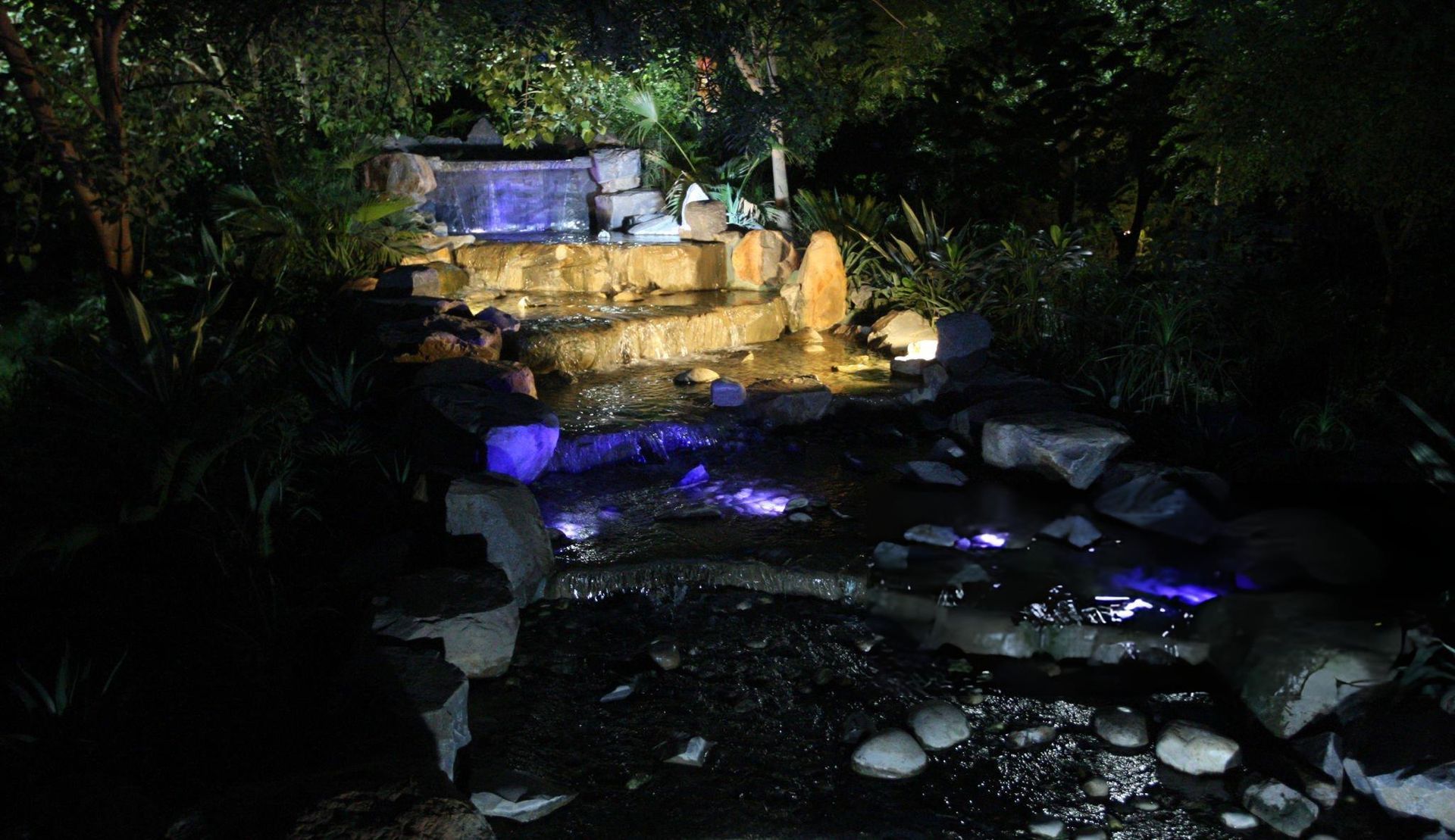
Here is the simple water cycle. Water collects in the hidden basin under rock and gravel. A pump in that basin pushes the water up through a pipe to the top of the falls. The water spills out of the spillway, runs down over rocks, and disappears back into the gravel where the basin is buried. Then it starts all over again.
Because the basin is underground, you are not giving up open space for a visible pond. That is a big help in small yards. The feature can tuck against a fence line, run along the back of a property, or slide in beside a patio or deck without taking over.
Pondless waterfall installation is very flexible. You can keep it simple with a single short drop, or you can add a few turns and small drops that twist through a narrow bed. Many Connecticut homes have long, tight side yards or sloped corners. A pondless design can wind through those spots and turn them into something people actually enjoy.
Big Benefits of Pondless Waterfall Installation for Connecticut Homeowners
For small properties in our area, a pondless waterfall tends to check a lot of boxes.
Space is always a concern. With no big pond at the bottom, the design can slide into places that usually stay bare:
• Beside a deck or patio seating area
• In a tight corner near a property line
• Along a walkway or front entry bed
• Nested into an existing planting bed
Safety and peace of mind matter too. Since there is little to no standing water, many families feel more comfortable with kids and pets playing nearby. Less standing water also means fewer spots for mosquitoes to use.
Maintenance is lighter than with a full pond. There are no fish to care for, and there is less open water for leaves to collect in. Seasonal care is simpler, which helps in a four‑season climate with freeze and thaw.
Pondless waterfall installation can also be set up to use energy and water wisely. Modern pumps for features sized for small yards use a reasonable amount of power. Because the system recirculates water, and the basin is covered with rock and gravel, there is less open surface for water loss.
On top of all that, a professionally planned waterfall becomes a special feature that can lift curb appeal. It turns a small, plain yard into a place where people like to gather or relax, with the steady sound of water softening nearby street noise.
Designing the Right Pondless Waterfall for Your Connecticut Property
Good design starts with your yard and how you want to use it. When we look at a space, we pay attention to yard size, existing landscaping, slopes and grades, sun and shade, and how you picture using the space. Maybe you want a quiet corner to read, or a focal point near where you host friends, or something pretty to see from a kitchen or living room window during long winter evenings.
Style and scale play a big role. Some homeowners like a natural woodland feel, with boulders, gravel, and plants that look at home in New England. Others lean toward a cleaner, modern look, maybe closer to a patio, with smoother stone and a simple, bold waterfall line. Height, width, and sound level can all be tuned to your taste. A taller drop gives a louder sound, while a lower, longer run gives a softer, gentle trickle.
Location is just as important as style. We want the waterfall where you will enjoy it most, not hidden in the far corner. That often means placing it near a patio, along a main window view, or near an entry path. At the same time, we work with property lines, underground utilities, and drainage patterns that are common on Connecticut and Western Massachusetts lots.
To finish the look, the right plants and lighting make a big difference. Cold‑hardy shrubs, perennials, and ornamental grasses can handle our winters and still frame the rocks nicely. Low‑voltage LED lighting can highlight the falls and stone so the water feature is enjoyable even after dark, and even when there is snow on the ground.
What to Expect From Professional Pondless Waterfall Installation with PD Waterscapes
With PD Waterscapes, pondless waterfall installation starts with a talk and a site visit. We listen to your vision, get a feel for your budget range, and look closely at your yard. We review photos and ideas you like and study how the ground slopes, so we know where water will move and how the feature can sit comfortably.
From there, we plan the design and materials. The size and style of rock, the capacity of the hidden basin, and the size of the pump all play a part. So do details like stream length, the shape of the cascades, planting areas, and lighting options. Access to the work area and existing hardscapes also affect how we plan the build.
Installation itself follows clear steps:
• Marking and outlining the feature area
• Excavating for the basin, stream, and falls
• Installing the basin, liner, and underlayment
• Placing the pump and plumbing lines
• Setting rock and gravel to shape the waterfall
• Testing, adjusting flow, and fine‑tuning the sound
For a typical small‑yard feature, the timeline is usually short, and we work to protect your lawn and existing landscaping as we go. At the end, we clean up the work area so the new waterfall feels like it has always belonged there.
After the build, we explain simple homeowner care and discuss any seasonal service you may want. Our goal is for you to feel comfortable running and enjoying your waterfall, while knowing you can lean on us for deeper maintenance when needed.
Seasonal Care Tips to Keep Your Pondless Waterfall Flowing in New England Weather
Our winters can bring cold, ice, and snow, so planning for the seasons is important. As late winter starts to shift toward early spring, many homeowners like to have a professional check over the feature. That visit can include looking at all the components after winter, clearing debris from the basin and rocks, checking the pump and plumbing, and topping off water levels before regular use.
During the warm season, basic checks help keep things running smoothly. It is helpful to keep an eye on the water level in dry stretches, pull out leaves or twigs that land in the water path, and adjust the flow if you want more or less sound.
As days get cooler again, leaves and debris become the main issue in our area. Some people choose to use leaf netting, and many schedule more frequent cleanings as trees drop their leaves. A thorough cleaning before hard frosts can make winter care easier.
When cold sets in, you can either shut the system down or, if the design allows and conditions are right, run it through parts of the winter. Many homeowners choose to shut down before deep freeze, which involves turning off and winterizing the pump and making sure the system is ready for freezing temperatures. A properly planned feature can also be designed so some parts can run in milder stretches, creating beautiful ice formations, as long as safety and equipment care are considered.
For homeowners in Connecticut and Western Massachusetts, PD Waterscapes focuses on water features like ponds, pondless waterfalls, and fountains that are tailored to local yards and weather. With thoughtful design, professional pondless waterfall installation, and the right seasonal care, a small yard can hold a relaxing water feature that feels just right for New England living.
Transform Your Yard With A Low-Maintenance Backyard Waterfall
If you are ready to add the sound of moving water without the upkeep of a traditional pond, our
pondless waterfall installation is a great fit. At PD Waterscapes, we design and build custom features that match your space, style, and budget. We will walk you through options, answer your questions, and create a plan that feels right for your home. To start your project or schedule a consultation,
contact us today.